Surprise Your Loved One on Valentine’s Day with a Romantic Homemade Dinner
Valentine’s Day is the perfect occasion to show your love and appreciation in a meaningful way. While gifts like flowers and chocolates are classics, a thoughtful, homemade food can be the most romantic surprise of all.
If you want to make this day extra special, start with a small gift and end with a delicious 3-course organic meal for two, prepared with love. Here’s how:
A little surprise before dinner sets the mood for a memorable night. Here are three heartfelt gift ideas that complement your romantic dinner:
Step 1: Thoughtful Gift Ideas to Start the Evening
💌 A Handwritten Love Letter or Memory Book – Write down your favorite moments together or reasons why you love them. A heartfelt note can be more touching than any store-bought gift.
🌿 An Organic Gift Box – Fill a basket with organic chocolates, herbal teas, scented candles, and eco-friendly skincare products for a personal and thoughtful touch.
🌹 A Small Plant or Flower Pot – Instead of traditional cut flowers, choose a potted plant, like a mini rose bush or lavender, to symbolize long-lasting love and sustainability.
Once your partner is delighted by the surprise, it’s time for the main event—a romantic, healthy, and organic Valentine’s dinner at home.
Step 2: A Romantic 3-Course Organic Dinner for Two
Nothing says “I love you” like a homemade meal made with fresh, organic ingredients. This 3-course menu is both healthy and indulgent, perfect for celebrating love while staying mindful of nutrition.
🥂 Starter: Roasted Red Pepper & Tomato Soup
A warm, creamy, and flavorful soup to start the evening with a cozy touch.
Roast the red peppers and cherry tomatoes until slightly charred.
Sauté onions and garlic, then blend everything with broth until smooth.
Drizzle with olive oil and serve warm with whole-grain crackers.
✅ Why It’s Romantic & Healthy: This soup is rich in antioxidants, supports heart health, and warms the soul—just like love!
🍽 Main Course: Herb-Crusted Salmon with Quinoa & Roasted Asparagus
A light yet flavorful main dish that balances protein, healthy fats, and fiber.
Ingredients:
Organic wild-caught salmon fillets
Fresh herbs (parsley, thyme, rosemary)
Organic quinoa
Organic asparagus
Lemon, garlic, and olive oil
How to Make It:
Coat the salmon with a mixture of fresh herbs, garlic, and olive oil. Bake at 375°F (190°C) for 15 minutes.
Cook quinoa in vegetable broth for extra flavor.
Roast asparagus with a drizzle of olive oil and lemon juice.
Serve everything together, garnished with lemon zest.
✅ Why It’s Romantic & Healthy: Salmon is packed with omega-3s for brain and heart health, while quinoa and asparagus add fiber and essential nutrients.
🍓 Dessert: Dark Chocolate-Dipped Strawberries & Almond Bliss Bites
A naturally sweet, guilt-free treat to end the night on a high note.
Refrigerate for 30 minutes and serve with the strawberries.
✅ Why It’s Romantic & Healthy: Dark chocolate is a natural mood booster, while almonds and coconut provide healthy fats and energy—perfect for an evening of love!
Step 3: Set the Mood for a Magical Evening
To make your Valentine’s dinner unforgettable, ambiance is key. Here’s how to create the perfect setting:
💡 Dim the Lights & Light Candles – Soft lighting makes everything feel more intimate.
🎶 Play Romantic Music – A soft jazz or acoustic playlist sets the right tone.
🍷 Pair with Organic Wine or Herbal Tea – Choose an organic red wine or calming chamomile tea to enhance the experience.
💬 Put Away Phones – Focus on each other and enjoy meaningful conversations.
HAPPY VALENTINES DAY!
Conclusion: The Most Meaningful Gift is Love & Health
This Valentine’s Day, show your love not just with romantic gestures but also by choosing organic, healthy foods that nourish the body and soul. A home-cooked dinner is more personal, intimate, and special than any restaurant experience.So, surprise your partner with a delicious, healthy meal made from the heart—because nothing is more romantic than caring for each other’s well-being. 💕 Also don’t forget that Valentines day is a very special day, but balancing our relationship for the rest of the year, and not just for one day is even more important and will bring you live peace and lots of Love and Happiness.If you would like to stay tuned not just for one ocasion but for many other’s and for your everyday healthy livestyle tips, just leave your comment and details in the comment section and expect the news from my blog.
Hydrolyzed collagen has become a staple in wellness routines for its ability to support skin elasticity, joint health, and overall vitality, blending ancient wisdom with modern nutritional science. First of all lets find out what does this product contains. It is a versatile supplement that can benefit your skin, joints, hair, and overall health.
Key Ingredients in Hydrolyzed Collagen Powder
Collagen Peptides: These are the primary component, typically derived from:
Bovine collagen (cow hides and bones): Rich in Type I and Type III collagen, beneficial for skin and muscles.
Marine collagen (fish skins and scales): Known for its high Type I collagen content, great for skin and anti-aging.
Porcine collagen (pig skin): Similar to human collagen, providing a mix of Type I and Type III collagen.
Amino Acids: Hydrolyzed collagen is rich in:
Glycine: Supports skin elasticity and detoxification.
Proline and hydroxyproline: Essential for rebuilding connective tissue.
Alanine and arginine: Aid in muscle repair and improved circulation.
Minimal Additives: High-quality collagen powders are free from sugars, flavors, or preservatives, ensuring versatility in recipes.
Optional Enhancements: Some brands add complementary ingredients like:
1. Add to Smoothies Why? Collagen powder is tasteless and dissolves easily, making it an excellent addition to smoothies. How? Blend a scoop of collagen powder with fruits, greens, a liquid base (water, milk, or plant-based milk), and healthy fats (like almond butter or avocado). Benefit: Enhances skin elasticity and provides a protein boost without altering the taste.
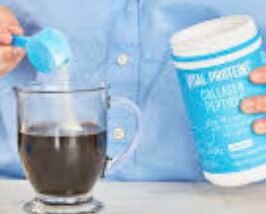
2. Stir into Coffee or Tea Why? It dissolves seamlessly into hot liquids and won’t impact the flavor of your favorite morning brew. How? Add 1-2 scoops of collagen powder to your coffee or tea and stir well. For an extra treat, mix with frothy milk or a splash of vanilla extract. Benefit: Supports joint health and gives a protein-rich start to your day.
3. Boost Soups and Stews Why?Collagen powder can enrich broths, soups, and stews, making them more nutritious. How? While cooking, mix collagen powder into your soup or stew during the simmering stage. It thickens slightly but doesn’t affect flavor. Benefit: Enhances skin health and fortifies connective tissues while adding a subtle richness to your meal.
4. Mix into Baked Goods Why? It can be baked into muffins, cookies, and even bread without affecting the texture. How? Add collagen powder to your recipe’s dry ingredients. Typically, 1-2 scoops will blend well with flour and other components. Benefit: A creative way to integrate collagen into your diet while enjoying your favorite treats.
5. Combine with Overnight Oats or Yogurt Why?Collagen powder complements cold recipes and thickens slightly for a creamy texture. How? Stir a scoop into your overnight oats mixture before refrigerating, or mix directly into a bowl of yogurt. Benefit: Promotes stronger hair and nails while providing a protein-packed breakfast or snack.
Tips for Using Hydrolyzed Collagen Powder Start small if you’re new to collagen and increase the dosage gradually. Combine with vitamin C-rich foods or supplements to enhance collagen absorption. Stay consistent for noticeable results in skin and joint health, typically after 4-8 weeks of use.
Collagen is an excellent supplement with many benefits, but relying on it alone for overall health or specific goals may not be sufficient. It works best when combined with other nutrients, a balanced diet, and a healthy lifestyle. I want to expand on that topic further and include more informartion on its benefits. Never start using a supplement without consulting your GP on personalised combination and dosage.Here’s what more you should know about combining colagen with other supplements:
I have mentioned above the value which colagen adds for your skin,joint and bones, hair and nails.However, collagen is not a complete protein (it lacks some essential amino acids), so it cannot fully replace other sources of dietary protein.
1.Nutrients That Work Synergistically with Collagen To maximize collagen’s effectiveness, you need complementary nutrients: Vitamin C: Essential for collagen synthesis in the body. Found in citrus fruits, bell peppers, and strawberries. Hyaluronic Acid: Helps retain skin moisture and supports joint lubrication. Found in bone broth and certain supplements. Zinc: Promotes wound healing and collagen production. Found in nuts, seeds, and seafood. Copper: Helps form collagen cross-links for strength. Found in shellfish, nuts, and whole grains. Protein-Rich Foods: Ensure your diet includes complete proteins like eggs, fish, and legumes to provide all essential amino acids.
3. Addressing Holistic Health Needs Collagen addresses specific areas but doesn’t cover everything: For Skin Health: Combine collagen with a good skincare routine, hydration, and sunscreen. For Joint Health: Pair with exercise, omega-3 fatty acids, and anti-inflammatory foods. For Muscle Repair: Include complete proteins like whey or plant-based protein powders for a broader amino acid profile.
4. Lifestyle Factors Factors such as sleep, hydration, exercise, and avoiding harmful habits (e.g., smoking, excessive sun exposure) play a huge role in skin, joint, and overall health. Collagen supports your efforts but isn’t a standalone solution.
With everything said so far,Iwant to conclude that we human have variety of live factors, building our daily routine and live style balance. I personaly find that the support of daily supplements intake is a livechanging for me and my very busy life.If you liked my post and are interested in getting more information about a healthy life ideas and the best organic supplements recommendations subscribe for my chanel by leaving your email address below.
Nine Best Cooking Salts: A Guide to Choosing the Perfect Salt
Salt is one of the most essential ingredients in cooking, used to enhance and bring out the natural flavors of food. However, not all salts are created equal, and different types of salt can provide unique flavors, textures, and aesthetic appeal. From everyday table salt to exotic varieties from around the world, here’s a guide to some of the best salts to use in your cooking. This article will help you learn more about the varieties cooking salts and then will look at the healthier versions salts. We dont start thinking about this everyday essential for our lives product until the moment we learn a litlle bit more about it. Salt could change a lot the taste of a dish and could adding a lot more value than we can think of. Lets dive in:
Table Salt Best for: Everyday cooking, baking, and quick seasoning Table salt is a finely granulated, refined salt that’s commonly iodized to prevent iodine deficiency. It’s highly versatile, easily dissolves in both hot and cold dishes, and is a staple in many recipes. The fine texture of table salt makes it ideal for baking, as it evenly distributes throughout batters and doughs, ensuring consistent seasoning. Pros: Inexpensive, accessible, good for baking Cons: Lacks the nuanced flavors of specialty salts
Kosher Salt Best for: General cooking, seasoning meats, and sprinkling over savory dishes Kosher salt is known for its large, flaky crystals that make it easy to pinch and sprinkle. It’s less dense than table salt, meaning it’s less likely to over-salt a dish. Kosher salt is commonly used by professional chefs for its clean taste and ease of handling, making it perfect for seasoning meat before roasting or grilling. Pros: Mild flavor, easy to control in pinches, versatile Cons: Requires more volume than table salt for the same level of saltiness
Sea Salt Best for: Finishing dishes, adding texture, and light seasoning Sea salt is harvested from evaporated seawater, often retaining trace minerals that can give it a unique flavor profile depending on its origin. Available in fine and coarse varieties, it has a subtle briny taste that complements salads, roasted vegetables, and delicate dishes. Its coarser grains also make it an attractive choice for finishing a dish with a satisfying crunch. Pros: Rich in trace minerals, adds texture, mild and fresh flavor Cons: Can be more expensive, may contain environmental impurities
Fleur de Sel.Fleur de Sel – Premium Sea salt from Guerande France – Flaky Sea Salt from the Celtic Sea is one of my choices Best for: Finishing delicate dishes, desserts, and gourmet presentations Fleur de Sel, meaning “flower of salt,” is a rare and expensive salt harvested from seawater, typically in France. It forms delicate crystals that are hand-skimmed from the surface of salt marshes. This salt is prized for its light, flaky texture and slightly sweet taste. Fleur de Sel adds an elegant touch to both savory and sweet dishes, such as roasted meats, salads, chocolates, and caramels. Pros: Delicate, subtle, and slightly sweet; perfect for finishing Cons: Expensive, doesn’t dissolve easily, not ideal for cooking
Himalayan Pink Salt Best for: Finishing meats, salads, grilled dishes, and aesthetic presentations This pink salt, sourced primarily from the Khewra Salt Mine in Pakistan, gets its distinct color from trace minerals, such as magnesium and iron. Known for its mild and earthy flavor, Himalayan salt is popular as a finishing salt on steaks, vegetables, and even in salt blocks used for cooking and serving. It’s also praised for its mineral content and visually appealing color. Pros: Mild flavor, attractive color, can be used as a serving plate when in block form Cons: Higher cost, limited in flavor enhancement compared to more assertive salts
Maldon Salt Best for: Finishing meats, fish, vegetables, and even cocktails Maldon salt is a flaky sea salt that originates from the coastal town of Maldon in England. The large, pyramid-shaped crystals have a crunchy texture that enhances the mouthfeel of dishes. This salt is a favorite among chefs and home cooks for finishing dishes like grilled meats, roasted vegetables, and even margaritas. Maldon sea salt Salt Flakes is Unique Pyramid Shaped Salt Flakes, perfect for a wide range of dishes, hand-harvested for four generations. Pros: Beautiful flake shape, satisfying crunch, excellent as a finishing salt Cons: Expensive, not ideal for baking or dissolving in sauces
Black Salt (Kala Namak) Best for: Indian cuisine, vegan dishes, and adding an egg-like flavor Black salt, or Kala Namak, is a volcanic salt with a unique sulfurous taste, often used in Indian cuisine. Its flavor profile makes it popular in vegan cooking as a substitute for egg flavor. Black salt is great for seasoning salads, chutneys, and savory Indian snacks like chaats. Pros: Unique eggy taste, good for vegan recipes Cons: Strong sulfurous smell, limited to specific dishes
Smoked Salt Best for: Grilled meats, fish, and adding smoky flavor to any dish Smoked salt is sea salt that’s been smoked over wood, imparting a deep, smoky flavor. It’s a great way to add a smoky taste to meats and vegetables without using a grill or smoker. Different woods like hickory, apple, and mesquite contribute varied smoky notes, making this salt ideal for hearty dishes or where a hint of smoke is desired. Pros: Adds smoky flavor, versatile in meats and vegetarian dishes Cons: Strong flavor that can overpower delicate dishes if used excessively
Celtic Sea Salt Best for: Seasoning vegetables, meats, and enhancing mineral content in dishes Celtic sea salt is harvested from the coast of Brittany, France, and is known for its grey color, which results from the clay lining of the salt flats where it’s harvested. This salt is moist and coarse, with a slightly briny flavor that enhances many dishes, especially meats and vegetables. Pros: High in minerals, slightly moist and coarse, adds complex flavor Cons: Moist texture can be harder to pinch, requires a grinder for finer use
Choosing the Right Salt for Your Cooking Needs Each type of salt offers unique textures, flavors, and aesthetic qualities, so the best salt for cooking depends on the specific needs of your dish. Here’s a quick summary: For everyday cooking: Table salt or kosher salt For finishing: Maldon, fleur de sel, or sea salt For specific cuisines: Black salt (Indian), smoked salt (BBQ), or Celtic sea salt (European) For visual appeal and mild flavor: Himalayan pink salt Using the right salt can elevate a dish from ordinary to exceptional, highlighting flavors in ways you might not expect. Try experimenting with these different salts to see which best suits your culinary style!
When it comes to choosing the healthiest salt, the focus is not just on flavor, but also on mineral content, processing methods, and the impact on our bodies. While all salts are primarily composed of sodium chloride, some types offer additional minerals that contribute to overall health. Here’s a look at the healthiest salt varieties, their benefits, and what makes them stand out.
Himalayan Pink Salt Health Benefits: High mineral content, lower sodium density Himalayan pink salt is often praised as one of the healthier salt options due to its rich mineral profile. In addition to sodium chloride, it contains trace amounts of magnesium, calcium, and potassium, which contribute to its pink color. These minerals, while present in small quantities, can support electrolyte balance, bone health, and even skin health. Additionally, Himalayan pink salt has a lower sodium density than table salt, meaning you may end up consuming slightly less sodium overall, which can be beneficial for blood pressure management. Why It’s Healthy: Contains over 80 trace minerals, supports electrolyte balance, lower sodium density than refined salts
Celtic Sea Salt Health Benefits: Contains essential minerals, naturally lower in sodium, less processed Celtic sea salt, harvested from coastal regions in France, is unrefined and rich in trace minerals like magnesium and calcium. It’s also naturally moist and grey due to the clay-rich salt flats, which contribute additional minerals. Celtic sea salt’s high moisture content helps it retain its nutrients and makes it more alkaline, which can help balance the body’s pH levels. The lower sodium concentration in Celtic sea salt compared to table salt can be a healthier option, especially for those watching their sodium intake. Why It’s Healthy: High in essential minerals, alkalizing properties, less refined than other salts
Sea Salt Health Benefits: Minimal processing, includes trace minerals Sea salt, especially if harvested from clean waters, can be a healthier option compared to highly refined table salt. It contains natural trace minerals like potassium, iron, and zinc, which contribute to various bodily functions. The coarse texture of sea salt also means it’s typically used as a finishing salt, which encourages lighter seasoning, potentially leading to lower sodium intake. Why It’s Healthy: Natural mineral content, typically requires less use due to coarser texture
Black Salt (Kala Namak) Health Benefits: Contains iron, helps balance sodium levels Black salt, or Kala Namak, is often used in Indian and South Asian cuisine and is known for its unique sulfurous flavor. It’s less refined than table salt and contains small amounts of iron and other trace minerals. Black salt’s lower sodium content may be beneficial for those with high blood pressure. Additionally, the sulfur compounds in black salt, though responsible for its eggy smell, may support digestive health. Why It’s Healthy: Lower sodium content, trace minerals, may aid digestion
Kosher Salt (Natural) Health Benefits: Lower risk of added chemicals, coarser grains encourage lighter seasoning Kosher salt is minimally processed and typically doesn’t contain the anti-caking agents or additives that are common in table salt. While it doesn’t contain many trace minerals, its coarser grains encourage a lighter hand in seasoning, which can lead to less overall sodium intake. Natural kosher salts, without additives, are healthier than highly refined versions and are a great option for everyday cooking. Why It’s Healthy: Minimal processing, no additives, encourages less sodium intake
A Note on Table Salt: Less Healthy Due to Additives Table salt is often fortified with iodine, which is essential for thyroid health, especially in areas where iodine deficiency is common. However, it’s also typically stripped of trace minerals during the refining process and may contain anti-caking agents and additives to improve shelf stability and pourability. While iodized salt has its health benefits, those who consume a balanced diet with seafood and dairy often get sufficient iodine from their food, making natural salts a better choice for general use.
Which Salt Should You Choose for Health?The healthiest salt depends on your dietary needs and goals:
For Mineral Content: Himalayan pink salt and Celtic sea salt are excellent sources of trace minerals, which can support various bodily functions.
For Low-Sodium Options: Black salt and Celtic sea salt are naturally lower in sodium than refined table salt, making them better for heart health.
For Minimal Processing: Natural sea salt and kosher salt are generally free from additives, making them cleaner choices.
Switching from refined table salt to a natural salt with higher mineral content and minimal processing can make a subtle yet beneficial difference to your health. Just remember that all salts should be consumed in moderation to maintain a balanced sodium intake. If you liked the content of this topic and wish to continue reading my blog you can leave below your email address and/or comment and I will send you a message each time I write a new blog post.
Who knew that pumpkins were more than just Halloween decorations or pie fillings? This vibrant orange vegetable is packed with benefits that can do wonders for your health—plus, it’s delicious in so many forms! Let’s talk about why pumpkin deserves a spot in your kitchen year-round, and we’ll finish up with three amazing recipes to try. 🎃
Why You Should Be Eating More Pumpkin?
Pumpkin isn’t just a festive fall icon—it’s a nutrient powerhouse! Here’s why you should add more of it to your diet:
Versatile and Easy to Cook With Whether you’re in the mood for something savory or sweet, pumpkin fits the bill. From soups to desserts, pumpkin is incredibly versatile and adds a nutritious punch to any meal.
Rich in Nutrients, Low in Calories Pumpkin is loaded with vitamins and minerals while being incredibly low in calories. In just one cup of cooked pumpkin, you’ll get over 200% of your daily vitamin A needs, which is fantastic for your eyes! Plus, you’ll be getting a solid dose of vitamin C, potassium, and fiber.
A Great Source of Antioxidants Pumpkin is packed with antioxidants like beta-carotene, which helps fight off harmful free radicals in the body. These antioxidants can help reduce the risk of chronic diseases like heart disease and even some cancers.
Boosts Your Immune System Thanks to the combination of vitamin A and vitamin C, pumpkin can help keep your immune system strong. This means fewer colds and flus, especially during the cooler months when you need that immunity boost the most.
Good for Your Heart The fiber, potassium, and vitamin C in pumpkin all contribute to heart health. Potassium is especially important in helping regulate blood pressure, and the fiber can help reduce cholesterol levels.
Supports Weight Loss If you’re trying to shed a few pounds, pumpkin is a great addition to your diet. It’s naturally low in calories and high in fiber, which helps keep you fuller for longer without overloading on calories.
Now that you know why pumpkin is so amazing, let’s get cooking! Here are three simple recipes to help you incorporate more pumpkin into your life. Next, I am including 3 delish recipes with pumkin .
1. Creamy Pumpkin Soup
This cozy soup is perfect for chilly days. It’s velvety smooth, slightly sweet, and so comforting!
1.Top with more whipped cream or a sprinkle of cinnamon before serving!
2.In a small bowl, mix the graham cracker crumbs with the melted butter until combined. Press the mixture into the bottom of individual serving cups or a small pie dish to create the crust.
3.In a medium bowl, beat the cream cheese, pumpkin puree, powdered sugar, vanilla extract, and pumpkin pie spice until smooth and creamy.
4.Gently fold in the whipped cream to make the mixture light and fluffy.
5.Spoon the cheesecake filling over the graham cracker crust.
6.Refrigerate for at least 2 hours to let the flavors meld and the dessert firm up.
Wrap-Up: Pumpkin’s Here to Stay!
Whether you’re slurping up a bowl of creamy pumpkin soup, enjoying a slice of spiced pumpkin bread, or indulging in a no-bake cheesecake, there’s no denying that pumpkin is a super versatile (and super healthy!) ingredient. So, next time you’re in the grocery store, grab a can of pumpkin or pick up a fresh one, and let the pumpkin magic begin!
Why not stay informed and be the first to know when I post a new article. If so, please subscribe to our newsletter .
Einkorn (Triticum monococcum) is one of the most ancient grains known to humans. It dates back over 10,000 years to the beginnings of agriculture in the Fertile Crescent, making it one of the first grains ever cultivated. The word “Einkorn” in German means “single grain,” referring to the single kernel that grows on each stem. Einkorn thrived in early agricultural communities but was eventually overshadowed by more modern wheat varieties, which yielded higher crops. However, it has recently seen a resurgence in popularity due to its rich nutritional content and unique flavor.
Spelt Flour: An Heirloom Wheat
Spelt (Triticum spelta) is another ancient grain, with its origins traced back to over 7,000 years ago in the Near East and Europe. It was a staple crop in Europe throughout the Bronze and Middle Ages. Unlike modern wheat, spelt is more resilient to harsh weather and poor soil conditions, making it a reliable crop for ancient farmers. However, like Einkorn, it too was gradually replaced by more high-yielding wheat varieties. Spelt has been reintroduced in recent times as a wholesome alternative to modern wheat, prized for its nutritional benefits and slightly nutty flavor.
Culinary Uses of Einkorn Flour and Spelt Flour
Both Einkorn and Spelt flour can be used as alternatives to modern wheat in a variety of dishes, but they have unique qualities that affect how they perform in recipes.
Einkorn Flour in Cooking and Baking
Einkorn flour is known for its yellowish hue and sweet, nutty flavor. Due to its lower gluten content, it produces a more delicate crumb in baked goods and tends to absorb liquids differently than modern wheat flours.
Bread: Although Einkorn flour has lower gluten than regular wheat, it can still be used to make bread. The texture is denser and more rustic, perfect for artisanal loaves.
Pasta: Einkorn flour makes a great choice for homemade pasta due to its slightly chewy texture and rich flavor.
Cookies and Muffins: Its mild sweetness pairs well with desserts like cookies and muffins. It is excellent in recipes that don’t require a lot of rise.
Spelt Flour in Cooking and Baking
Spelt flour has a slightly nutty and sweet flavor. Its gluten structure is more fragile than modern wheat, making it easier to digest for many people. It works well in a wide variety of recipes and can often be used as a direct substitute for wheat flour.
Bread: Spelt flour can be used to make bread that is lighter and airier than Einkorn, although it is still denser than regular wheat bread.
Pancakes and Waffles: Spelt flour’s light and nutty flavor makes it an excellent choice for breakfast foods like pancakes and waffles, giving them a heartier texture.
Pastry Dough: Because spelt has a bit more gluten strength than Einkorn, it works well in recipes like pie crusts and pastry dough, producing a flaky result.
Nutrition Information and Health Benefits
Einkorn Flour: Nutritional Value and Health Benefits
Einkorn flour is highly nutritious and stands out from modern wheat due to its richer nutrient profile:
High in Protein: Einkorn has a higher protein content (around 18–20%) than modern wheat. It contains all essential amino acids, which are necessary for tissue repair and muscle building.
Rich in Carotenoids: The yellowish tint of Einkorn flour comes from its high levels of carotenoids, which are powerful antioxidants that help fight inflammation and promote eye health.
Lower Gluten: Einkorn has a different gluten structure, which is lower and less elastic than modern wheat. While not safe for people with celiac disease, it may be easier to digest for those with mild gluten sensitivity.
Vitamins and Minerals: Einkorn is packed with vitamins such as B6, riboflavin, niacin, and thiamine. It is also rich in minerals like magnesium, zinc, and iron.
Health Benefits:
Supports Eye Health: The high carotenoid content helps protect the eyes from age-related macular degeneration.
Better Digestibility: Some individuals find Einkorn flour easier to digest than modern wheat due to its simpler gluten structure and higher nutrient density.
Improved Heart Health: Einkorn’s rich antioxidant profile can help lower the risk of cardiovascular disease by reducing inflammation in the body.
Spelt Flour: Nutritional Value and Health Benefits
Spelt flour also boasts a wide range of nutritional benefits, offering more fiber and protein than regular wheat flour:
Good Source of Fiber: Spelt flour has a high fiber content, which aids in digestion, regulates blood sugar levels, and promotes a healthy gut microbiome.
Moderate Gluten Content: Though spelt contains gluten, it is different in structure and is often more easily digested by people with gluten sensitivities, although it is not suitable for people with celiac disease.
Vitamins and Minerals: Spelt flour is rich in vitamins B1 (thiamine), B3 (niacin), and B6, all of which play a role in energy metabolism. It is also a good source of minerals such as iron, magnesium, phosphorus, and manganese.
Low in Calories: Spelt has fewer calories than other types of wheat, making it a great option for those watching their caloric intake.
Health Benefits:
Boosts Digestive Health: The high fiber content in spelt helps maintain regular bowel movements and supports overall digestive health.
Regulates Blood Sugar Levels: The fiber in spelt also helps slow down digestion, preventing sharp spikes in blood sugar.
Heart Health: Spelt is rich in magnesium, which supports cardiovascular function and helps regulate blood pressure.
Which One Should You Choose?
Both Einkorn and Spelt flours have their unique advantages, and the choice depends on your dietary needs and the type of recipe you are preparing.
Use Einkorn Flour if you’re seeking a highly nutritious grain with a lower gluten content, ideal for dense bread, pasta, and pastries.
Use Spelt Flourif you need a versatile, fiber-rich alternative to modern wheat that works well in bread, cakes, and breakfast recipes. Spelt may also be better for those looking for lighter, airier baked goods.
While neither flour is suitable for those with celiac disease due to the presence of gluten, both Einkorn and Spelt offer more digestible alternatives to modern wheat. They also provide a wider range of nutrients and health benefits that make them excellent choices for anyone looking to incorporate more whole grains into their diet.inkorn and Spelt flours each have a rich history, unique flavors, and a range of nutritional benefits. Whether you are looking for a flour with lower gluten content like Einkorn or one that offers fiber and ease of use like Spelt, these ancient grains are valuable additions to any modern kitchen. Both flours are versatile and nutritious, promoting better digestion, heart health, and overall wellness.
1. Einkorn Flour Artisan Bread
This simple artisan Einkorn bread has a rustic texture, a chewy crumb, and a nutty, sweet flavor. Perfect for sandwiches or dipping in olive oil.
Ingredients:
4 cups Einkorn flour (500g)
1 ½ tsp sea salt
1 tsp instant yeast
1 ½ cups warm water (350 ml)
1 tbsp olive oil (optional, for extra softness)
1 tsp honey (optional, for a slightly sweet flavor)
Instructions:
Mix the Dough: In a large bowl, combine the Einkorn flour, salt, and yeast. Add warm water and honey, then stir with a wooden spoon until a dough forms. The dough will be sticky, which is normal for Einkorn.
Rest: Cover the bowl with a kitchen towel and let the dough rest for about 1 to 2 hours, or until doubled in size. Einkorn doesn’t rise as much as modern wheat, so don’t expect a huge increase in volume.
Shape the Dough: Once the dough has risen, transfer it to a well-floured surface. With floured hands, gently shape the dough into a round loaf. You can also place it into a loaf pan if you prefer a rectangular shape.
Final Proofing: Cover the shaped loaf with a towel and let it rest for 30 to 45 minutes to rise again.
Preheat the Oven: While the dough is proofing, preheat your oven to 450°F (230°C). Place a Dutch oven (or a baking stone) inside to heat up.
Bake: Carefully transfer the dough to the preheated Dutch oven, cover with the lid, and bake for 30 minutes. After 30 minutes, remove the lid and bake for another 10–15 minutes, or until the crust is golden brown.
Cool: Let the bread cool on a wire rack for at least 30 minutes before slicing.
Tips:
Since Einkorn absorbs less water than regular wheat, the dough will be wetter and stickier.
The honey adds a subtle sweetness, which can be omitted if you prefer a more savory bread.
2. Spelt Flour Sandwich Bread
Spelt flour creates a lighter, airy loaf with a mild nutty flavor, perfect for everyday sandwich bread.
Ingredients:
4 cups spelt flour (500g)
2 tsp sea salt
1 ½ tsp active dry yeast
1 ½ cups warm water (350 ml)
1 tbsp olive oil
1 tbsp honey or maple syrup (optional, for sweetness)
Instructions:
Activate the Yeast: In a small bowl, mix warm water with the yeast and honey. Let it sit for 5–10 minutes, until the yeast becomes foamy.
Mix the Dough: In a large bowl, mix the spelt flour and salt. Add the yeast mixture and olive oil, stirring until a dough forms. The dough will be a bit sticky, but should come together nicely.
Knead: On a lightly floured surface, knead the dough for about 5–7 minutes, until smooth and elastic. Spelt dough is more delicate, so don’t over-knead it.
First Rise: Place the dough in a lightly oiled bowl, cover with a towel, and let it rise for 1–1.5 hours, or until doubled in size.
Shape the Dough: After the first rise, punch down the dough and shape it into a loaf. Place the dough into a greased 9×5-inch loaf pan.
Final Proofing: Cover with a towel and let the dough rise again for 30–45 minutes, until it reaches the top of the pan.
Preheat the Oven: While the dough is rising, preheat your oven to 375°F (190°C).
Bake: Bake the bread for 30–35 minutes, or until the top is golden brown and sounds hollow when tapped.
Cool: Remove the bread from the oven and let it cool in the pan for 10 minutes before transferring to a wire rack to cool completely.
Tips:
Spelt flour ferments faster than modern wheat, so be careful not to overproof the dough during the rising stages.
This bread freezes well; slice it and freeze for easy sandwiches throughout the week.
These two recipes are perfect for showcasing the versatility and unique flavors of Einkorn and Spelt flour. Both flours are packed with nutrients and offer healthier, digestible alternatives to modern wheat breads.
I hope found the post usefull. Stay tuned for my next topic on a helathy products and more delicious recipes. Leave your thoughts below and like if you were satisfied with the content.
To provide the best experiences, we use technologies like cookies to store and/or access device information. Consenting to these technologies will allow us to process data such as browsing behaviour or unique IDs on this site. Not consenting or withdrawing consent, may adversely affect certain features and functions.
Functional
Always active
The technical storage or access is strictly necessary for the legitimate purpose of enabling the use of a specific service explicitly requested by the subscriber or user, or for the sole purpose of carrying out the transmission of a communication over an electronic communications network.
Preferences
The technical storage or access is necessary for the legitimate purpose of storing preferences that are not requested by the subscriber or user.
Statistics
The technical storage or access that is used exclusively for statistical purposes.The technical storage or access that is used exclusively for anonymous statistical purposes. Without a subpoena, voluntary compliance on the part of your Internet Service Provider, or additional records from a third party, information stored or retrieved for this purpose alone cannot usually be used to identify you.
Marketing
The technical storage or access is required to create user profiles to send advertising, or to track the user on a website or across several websites for similar marketing purposes.




 EN
EN  BG
BG