Find out more about the delicious benefits of Parmigiano Reggiano. Parmigiano Reggiano, often simply called Parmesan, is a cheese that has long been revered for its rich flavor and versatility in cooking. However, beyond its culinary uses, Parmigiano Reggiano is also packed with numerous health benefits. This Italian cheese, made from raw cow’s milk and aged for at least 12 months, offers a range of nutritional advantages that make it a valuable addition to a balanced diet.
Rich in Nutrients
Parmigiano Reggiano is a nutrient-dense food, meaning that it provides a high amount of nutrients relative to its calorie content. A typical serving size of 1 ounce (28 grams) of Parmigiano Reggiano contains:
Calories: 110
Protein: 10 grams
Fat: 8 grams
Calcium: 30% of the Daily Value (DV)
Phosphorus: 20% of the DV
Sodium: 20% of the DV
Vitamin A: 10% of the DV
High in Protein
One of the standout features of Parmigiano Reggiano is its high protein content. Protein is essential for muscle repair and growth, making this cheese an excellent choice for those looking to increase their protein intake. The proteins in Parmigiano Reggiano are highly digestible, making it suitable even for people with sensitive digestive systems.
Packed with Calcium
Calcium is crucial for maintaining healthy bones and teeth, and Parmigiano Reggiano is an excellent source of this essential mineral. Just one ounce provides about 30% of the recommended daily intake. Regular consumption of calcium-rich foods like Parmigiano Reggiano can help prevent osteoporosis and other bone-related conditions.
Source of Beneficial Fatty Acids
While often maligned, fats are an essential part of a balanced diet, and Parmigiano Reggiano provides beneficial fatty acids that support various bodily functions. The cheese contains conjugated linoleic acid (CLA), which has been associated with reduced body fat and improved immune function.
Rich in Vitamins and Minerals
In addition to calcium, Parmigiano Reggiano is rich in other essential vitamins and minerals, including phosphorus, which works with calcium to maintain bone health, and vitamin A, which is important for vision and immune function. The cheese also contains small amounts of other B vitamins, which support energy metabolism and cognitive function.
Low in Lactose
For individuals with lactose intolerance, Parmigiano Reggiano is a suitable option as it contains very low levels of lactose. The long aging process of the cheese significantly reduces its lactose content, making it easier to digest for those with lactose sensitivity.
Natural and Unprocessed
Parmigiano Reggiano is a natural cheese, free from artificial additives and preservatives. Its production process follows strict regulations to ensure quality and authenticity, making it a healthier choice compared to processed cheeses that often contain unwanted chemicals and fillers.
Supports Digestive Health
The fermentation process of Parmigiano Reggiano involves beneficial bacteria that can support gut health. These bacteria contribute to a healthy gut microbiome, which is crucial for overall digestive health and immune function.
Enhances Flavor and Satiety
The rich, umami flavor of Parmigiano Reggiano can enhance the taste of various dishes, reducing the need for additional salt or unhealthy flavor enhancers. Its robust flavor also means that a small amount can go a long way, helping to control portion sizes and calorie intake.
Culinary Versatility
Parmigiano Reggiano can be used in a wide range of dishes, from salads and soups to pasta and risottos. Its versatility makes it easy to incorporate into your diet, ensuring you can enjoy its nutritional benefits in various form
In summary,Parmigiano Reggiano is more than just a delicious cheese, it is a nutritional powerhouse offering numerous health benefits. From its high protein and calcium content to its digestive health advantages and rich vitamin profile, this cheese deserves a regular spot in a balanced diet. Enjoy Parmigiano Reggiano in moderation as part of a healthy lifestyle to reap its many benefits while savoring its unmatched flavor.
This is a comprehensive guide to help you identify high-quality Parmigiano-Reggiano:
by A. Geri
1. Labeling and Origin
Protected Designation of Origin (PDO): Genuine Parmigiano-Reggiano is marked with the PDO seal, indicating it was produced in the designated areas of Italy (Emilia-Romagna and Lombardy regions).
Consorzio Markings: Look for the distinctive marks and stamps of the Consorzio del Formaggio Parmigiano-Reggiano, the regulatory body. This includes the dotted writing on the rind and the casein plate.
2. Appearance
Rind: The rind should be hard and thick with a golden-yellow color. The Parmigiano-Reggiano name should be stamped repeatedly on the rind.
Color: The interior should be a uniform pale yellow or straw color. It should not have any white patches or be overly pale.
3. Texture
Crystalline Structure: Good Parmigiano-Reggiano has a slightly gritty texture due to the presence of amino acid crystals (tyrosine) that form during the aging process.
Grainy and Flaky: The cheese should be granular and break off into flakes rather than crumbling easily.
4. Aroma
Complex and Rich: High-quality Parmigiano-Reggiano has a strong, nutty, and fruity aroma. It should smell fragrant, with hints of pineapple or tropical fruits.
5. Flavor
Balanced and Intense: The flavor should be rich and savory, with a balance of sweet, salty, and umami. The taste should linger on the palate with a slight nuttiness.
Aging: Parmigiano-Reggiano is aged for a minimum of 12 months, but high-quality versions are often aged for 24, 36, or even 48 months. The flavor becomes more complex and pronounced with age.
6. Packaging and Purchase
Whole Pieces vs. Pre-Grated: It’s best to buy whole pieces with the rind intact. Pre-grated cheese can lose flavor and is often mixed with anti-caking agents.
Reputable Sellers: Purchase from reputable cheese shops or sellers who can provide information about the cheese’s origin and age.
7. Storage and Handling
Proper Storage: Keep the cheese wrapped in wax paper or parchment paper inside an airtight container in the refrigerator. This preserves its moisture and prevents it from drying out.
Additional Tips:
Taste Test: If possible, taste the cheese before purchasing. A good seller should offer samples.
Look for Crystals: The presence of small white crystals (tyrosine) is a good sign of well-aged Parmigiano-Reggiano.
By following these guidelines, you can ensure that you select high-quality Parmigiano-Reggiano cheese that offers the best flavor and texture for your culinary needs. You might also be interested to try these five recipes with Parmigano. They are including some vegan product alternatives.
Here is my recipe for a classic carbonara pasta for you to enjoy:
Ingredients:
400g spaghetti or pasta of your choice. I have for you a list of 3 kinds of pasta to recomend: gluten free italian pasta, wholeweat organic pasta, and organic spagetti Italian dried pasta
200g pancetta or guanciale, diced
2 large eggs
100g Pecorino Romano cheese, finely grated
50g Parmesan cheese, finely grated (optional)
2 cloves garlic, peeled and whole (optional)
Salt, to taste
Freshly ground black pepper, to taste
good quality extra virgin olive oil. I highly recommmend the Amazon bestseller November Polyphenols organic olive oil – Early harvest – Fresh harvest – Bio – Premium extra virgin – Cold extracted – High Phenolic EVOO – Greek – 500 ml.
Instructions:
Cook the Pasta:
Bring a large pot of salted water to a boil. Add the spaghetti and cook until al dente, according to package instructions.
Reserve about 1 cup of pasta water, then drain the spaghetti.
Prepare the Pancetta/Guanciale:
While the pasta is cooking, heat a large skillet over medium heat. Add the diced pancetta or guanciale.
(Optional) Add the whole garlic cloves to the skillet to infuse flavor, then remove and discard them once the pancetta/guanciale is crisp.
Cook until the pancetta/guanciale is crispy and browned, about 5-7 minutes. Remove the skillet from the heat.
Prepare the Egg Mixture:
In a medium bowl, whisk together the eggs and grated Pecorino Romano cheese (and Parmesan cheese, if using). Season with a generous amount of freshly ground black pepper.
Combine and Serve:
Quickly add the hot, drained spaghetti to the skillet with the pancetta/guanciale and toss to coat.
Remove the skillet from the heat and quickly pour the egg and cheese mixture over the pasta, tossing continuously to create a creamy sauce. Add a bit of the reserved pasta water if the sauce needs thinning.
Taste and adjust seasoning with salt and pepper if necessary.
Serve Immediately:
Serve the Carbonara immediately, garnished with extra grated Pecorino Romano and freshly ground black pepper.
In a small bowl, whisk together lemon juice, olive oil, garlic, Worcestershire sauce, Dijon mustard, salt, and pepper to make the dressing.
In a large bowl, toss the chopped romaine lettuce with the dressing until evenly coated.
Add the grated Parmigiano Reggiano and croutons, and toss again.
Serve immediately, optionally topped with anchovies, grilled chicken breast, or shrimp.
2. Spaghetti Carbonara
Ingredients:
12 oz spaghetti
2 large eggs
1 cup grated Parmigiano Reggiano
4 oz pancetta or guanciale, diced
2 cloves garlic, minced
Salt and pepper to taste
Fresh parsley, chopped (optional)
Instructions:
Cook the spaghetti according to package instructions until al dente. Reserve 1 cup of pasta water, then drain the pasta.
In a bowl, whisk together the eggs and grated Parmigiano Reggiano.
In a large skillet, cook the pancetta or guanciale over medium heat until crispy. Add the minced garlic and cook for another minute.
Remove the skillet from heat and add the cooked spaghetti, tossing to combine.
Quickly pour in the egg and cheese mixture, tossing continuously to create a creamy sauce. Add reserved pasta water a little at a time if the sauce is too thick.
Season with salt and pepper to taste, and sprinkle with fresh parsley if desired. Serve immediately.
3. Chicken Parmesan
Ingredients:
4 boneless, skinless chicken breasts
1 cup flour
2 eggs, beaten
1 cup breadcrumbs
1 cup grated Parmigiano Reggiano. You can read here how to recognise a good quality of this famous Italian cheese.
2 cups marinara sauce
1 1/2 cups mozzarella cheese, shredded
Salt and pepper to taste
Olive oil for frying
Fresh basil, chopped (optional)
Instructions:
Preheat the oven to 375°F (190°C).
Season the chicken breasts with salt and pepper. Dredge each breast in flour, dip in beaten eggs, and coat with breadcrumbs mixed with half of the grated Parmigiano Reggiano.
In a large skillet, heat olive oil over medium-high heat. Fry the chicken breasts until golden brown on both sides, about 3-4 minutes per side.
Place the fried chicken breasts in a baking dish. Top each with marinara sauce and shredded mozzarella cheese.
Sprinkle the remaining grated Parmigiano Reggiano on top.
Bake in the preheated oven for 20-25 minutes, until the cheese is melted and bubbly.
Garnish with fresh basil and serve.
4. Risotto alla Parmigiana
Ingredients:
1 1/2 cups of this Arborio rice, or you the vegan alternative of of Risso Gallo 0.500 gram
In a saucepan, heat the broth and keep it warm over low heat.
In a large skillet, heat olive oil and 1 tablespoon of butter over medium heat. Add the chopped onion and garlic, and sauté until softened.
Add the Arborio rice and cook, stirring frequently, until the rice is lightly toasted.
Pour in the white wine and cook until it has evaporated.
Begin adding the warm broth, one ladleful at a time, stirring continuously and allowing each addition to be absorbed before adding the next.
Continue this process until the rice is creamy and al dente, about 18-20 minutes.
Stir in the remaining butter and grated Parmigiano Reggiano. Season with salt and pepper to taste.
Garnish with fresh parsley and serve immediately.
5. Eggplant Parmesan (Parmigiana di Melanzane)
Ingredients:
2 large eggplants, sliced into 1/4-inch rounds
2 cups marinara sauce
1 1/2 cups mozzarella cheese, shredded
1 cup grated Parmigiano Reggiano
1 cup flour
2 eggs, beaten
1 cup breadcrumbs
Salt and pepper to taste
Olive oil for frying
Fresh basil, chopped (optional)
Instructions:
Preheat the oven to 375°F (190°C).
Season the eggplant slices with salt and let them sit for 30 minutes to draw out moisture. Pat dry with paper towels.
Dredge each eggplant slice in flour, dip in beaten eggs, and coat with breadcrumbs.
In a large skillet, heat olive oil over medium-high heat. Fry the eggplant slices until golden brown on both sides. Drain on paper towels.
In a baking dish, spread a layer of marinara sauce. Arrange a layer of fried eggplant slices on top.
Sprinkle with grated Parmigiano Reggiano and shredded mozzarella. Repeat layers until all ingredients are used, finishing with a layer of sauce and cheese.
Bake in the preheated oven for 25-30 minutes, until the cheese is melted and bubbly.
Garnish with fresh basil and serve.
Enjoy these delightful recipes that showcase the incredible flavor and versatility of Parmigiano Reggiano!
Bulgarian cuisine is renowned for its use of fresh, locally sourced ingredients, and this is especially evident in its salads. These salads are often served as starters or side dishes, and they are characterized by their vibrant flavors and nutritious ingredients. Here are five traditional Bulgarian salads that showcase the best of what the country has to offer.
1. Shopska Salad (Шопска салата)
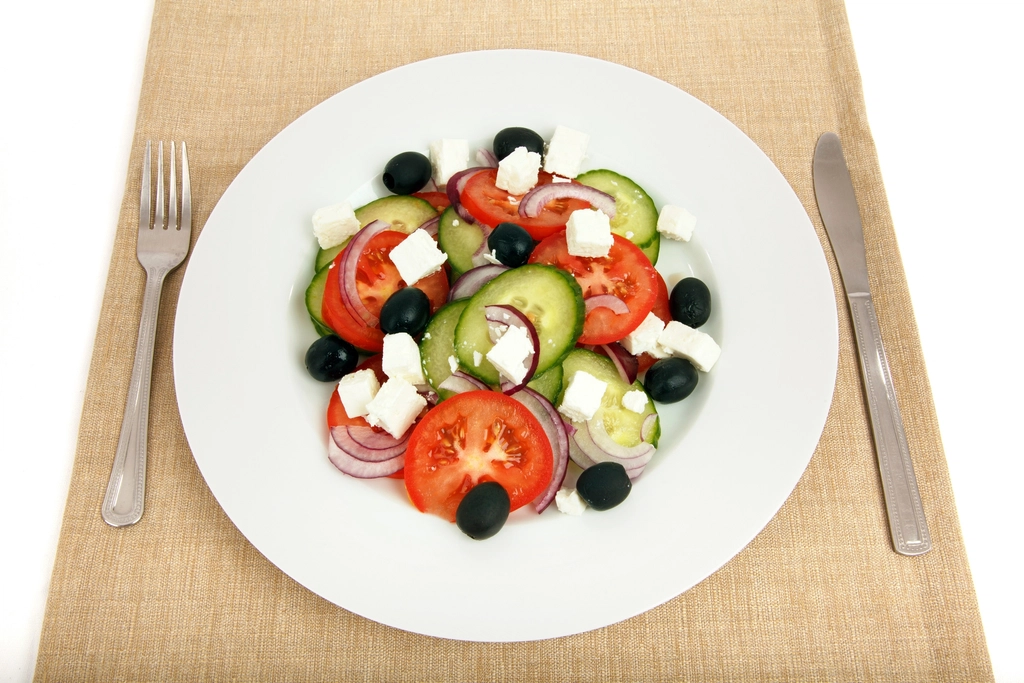
Shopska salad is perhaps the most famous Bulgarian salad and a staple in Bulgarian cuisine. It’s a simple yet delicious combination of fresh vegetables and white brined cheese.
Ingredients:
Tomatoes
Cucumbers
Green or red bell peppers
Onions
White Bulgarian Feta cheese (sirene) or any kind of Feta cheese
Salt of your choice.I am using this Celtic salt , which is contains 82 Essential Minerals and is rich on Nutrients |.
Preparation: Chop the tomatoes, cucumbers, bell peppers, and onions into small pieces. Mix them together, crumble the white brined cheese on top, and dress with sunflower oil, vinegar, and a pinch of salt. Garnish with chopped parsley if desired.
2. Snezhanka Salad (Снежанка салата)
Snezhanka salad, also known as “Snow White” salad, is a creamy and refreshing dish made from strained yogurt and cucumbers, similar to Greek tzatziki.
Ingredients:
Strained yogurt or Greek yogurt
Cucumbers
Garlic
Dill
Walnuts grinded
Salt
Olives for decoration and sunflower oil
Preparation: Finely chop the cucumbers and garlic. Mix them with the strained yogurt, add chopped dill and a pinch of salt. Optionally, add crushed walnuts and a drizzle of olive oil. Serve chilled.
3. Lyutenitsa (Лютеница)
Lyutenitsa is a popular Bulgarian relish that is often used as a salad, spread, or side dish. It’s made from roasted red peppers, tomatoes, and various spices.
Ingredients:
Red bell peppers
Tomatoes
Carrots (optional)
Eggplant (optional)
Garlic
Sugar
Salt
Sunflower oil
Black pepper
Paprika
Preparation: Roast the red peppers, tomatoes, and optional vegetables (carrots and eggplant). Peel and seed the peppers and tomatoes. Blend or finely chop all the vegetables, then cook them in sunflower oil with minced garlic, sugar, salt, black pepper, and paprika until thickened. This can be served warm or cold.
4. Kyopolou (Кьопоолу)
Kyopolou is a traditional Bulgarian eggplant salad that is enjoyed both as a salad and a dip. It’s known for its rich, smoky flavor.
Ingredients:
Eggplants
Red bell peppers
Garlic
Parsley
Olive oil or sunflower oil
Vinegar
Salt
Preparation: Roast the eggplants and red bell peppers until the skins are charred. Peel the skins off and mash the vegetables together. Mix in minced garlic, chopped parsley, olive oil, vinegar, and salt to taste. Serve chilled or at room temperature.
5. Tomato and Cucumber Salad (Домати и краставици)
This simple salad is a staple in Bulgarian households, offering a refreshing and straightforward dish that highlights the freshness of its ingredients.
Ingredients:
Tomatoes
Cucumbers
Onions (optional)
Parsley
Sunflower oil or olive oil
Vinegar
Salt
Preparation: Chop the tomatoes and cucumbers into bite-sized pieces. Finely chop the onions and parsley. Mix all the vegetables together, dress with sunflower oil or olive oil, vinegar, and salt to taste. Serve immediately.
Conclusion
Bulgarian salads are a celebration of fresh, wholesome ingredients and simple preparation methods that bring out the natural flavors of the produce. From the iconic Shopska salad to the creamy Snezhanka and the smoky Kyopolou, these traditional salads offer a delicious introduction to the vibrant and healthy world of Bulgarian cuisine.
To provide the best experiences, we use technologies like cookies to store and/or access device information. Consenting to these technologies will allow us to process data such as browsing behaviour or unique IDs on this site. Not consenting or withdrawing consent, may adversely affect certain features and functions.
Functional
Always active
The technical storage or access is strictly necessary for the legitimate purpose of enabling the use of a specific service explicitly requested by the subscriber or user, or for the sole purpose of carrying out the transmission of a communication over an electronic communications network.
Preferences
The technical storage or access is necessary for the legitimate purpose of storing preferences that are not requested by the subscriber or user.
Statistics
The technical storage or access that is used exclusively for statistical purposes.The technical storage or access that is used exclusively for anonymous statistical purposes. Without a subpoena, voluntary compliance on the part of your Internet Service Provider, or additional records from a third party, information stored or retrieved for this purpose alone cannot usually be used to identify you.
Marketing
The technical storage or access is required to create user profiles to send advertising, or to track the user on a website or across several websites for similar marketing purposes.




 EN
EN  BG
BG